

How Long Does Coffee Stay Fresh After Roast?
What does "fresh" actually mean after coffee is roasted?
Fresh coffee does not mean coffee that was roasted yesterday. It means coffee that has had enough time to settle, still has its aromatics intact, and is brewing in the sweet spot where flavor tastes open instead of flat. At Cutters Point, that answer changes a little depending on whether you are pulling espresso or brewing drip at home.
A lot of freshness talk gets dumb fast because people treat "fresh" like a single moment. It is not. There is a difference between fresh off roast, best flavor, and still totally fine to drink.
Right after roasting, coffee is releasing gas. That is normal. In fact, it is one reason espresso can behave so badly when the coffee is too fresh. The shot looks wild, runs unevenly, and tastes sharp even when your recipe is close. That is why we do not treat day-one coffee as automatically ideal coffee.
For us, freshness is really about flavor performance. If the cup still has structure, aromatics, and clarity, the coffee is doing its job. If it starts tasting muted, papery, or oddly hollow, you are past the point where that bag is showing its best work.
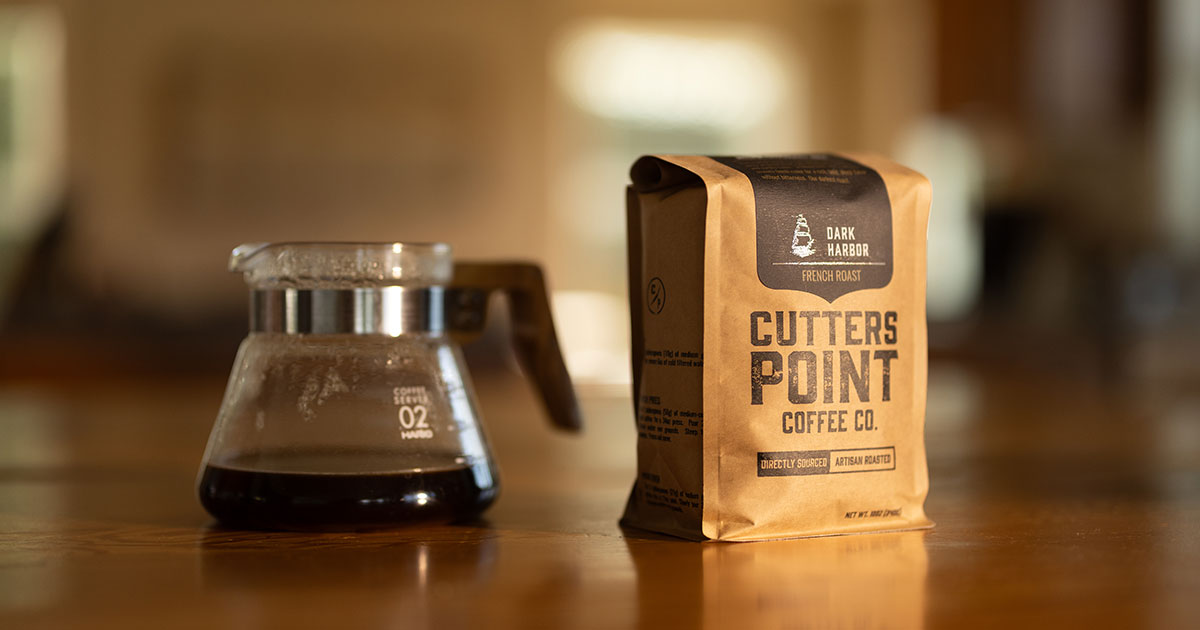
There is also the label question, because customers look at dates first. Our bags are printed with a best-by date one year from roast. That is not the same thing as saying the coffee peaks for a full year. It means the coffee is still within its intended shelf life. Peak flavor is a narrower window than shelf life, and that is the distinction most coffee brands forget to explain.
So if you only remember one thing from this section, make it this: fresh coffee is not just young coffee. It is coffee that is stored well, brewed at the right time, and still tastes alive in the cup.
How long do whole bean coffee and ground coffee stay fresh?
Whole bean coffee stays fresh longer than ground coffee because the flavor compounds are protected inside the bean until you break them open. The second you grind coffee, you massively increase surface area, and that is when aroma escapes fast. If you care about flavor, whole bean gives you a much bigger margin for error.
This is where people get tripped up. They want a universal countdown, like coffee is great for exactly X days and then suddenly dead. Real life is messier than that. A sealed bag stored well will hold up better than an open bag that lives next to a sunny kitchen window. A whole bean bag will hold up better than pre-ground coffee from the same roast date. And espresso has a different timeline than a batch brewer or pour over.
The simplest rule is the one most people should actually follow: buy whole bean when you can, grind right before brewing, and pay attention to roast date instead of guessing by smell alone. If you are choosing between slightly older whole bean coffee and fresher pre-ground coffee, I would usually still take the whole bean if the goal is a better cup a week later.
At Cutters Point, the printed date people usually notice is the best-by date, which is set one year from roast. That is useful for shelf life, but it is not the best way to judge when a bag will taste most expressive. For that, roast date matters more. The closer you are to the coffee's ideal brewing window, the more likely you are to get sweetness, structure, and clear flavor separation instead of a dull cup.
Ground coffee is not ruined the second you open it. Let's not get dramatic. But it does lose the top-end aromatics faster, and that is usually the first thing people notice when they say a coffee tastes "fine, I guess" instead of genuinely good.
If you want the short version: whole bean keeps its quality longer, ground coffee fades faster, and storage habits decide how big the difference feels in the cup.
Why should espresso rest before you brew it?
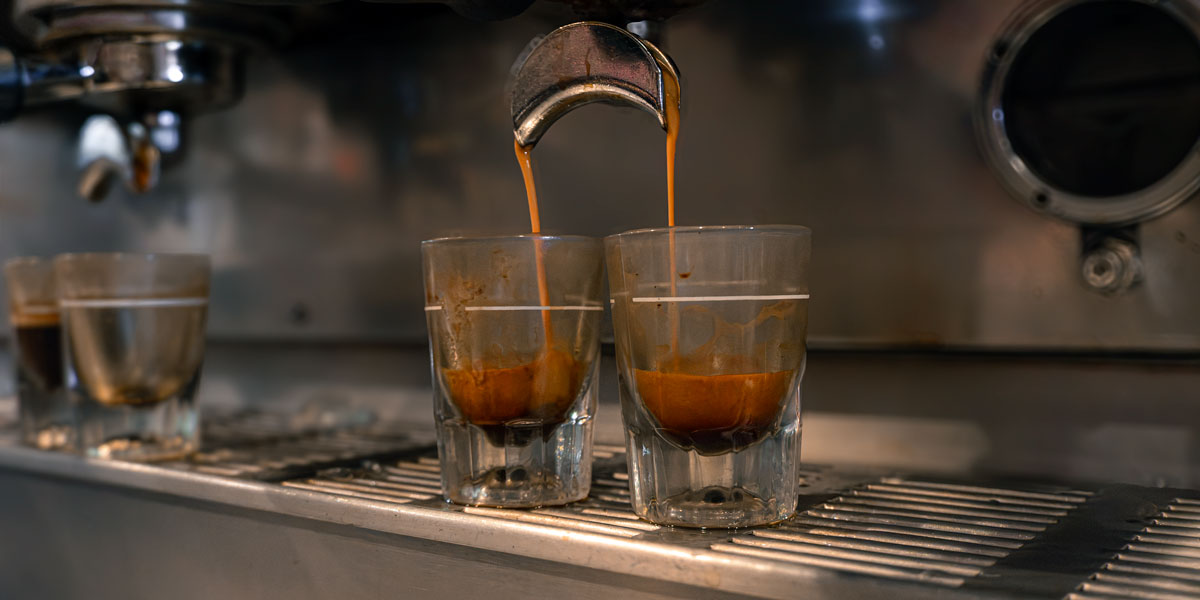
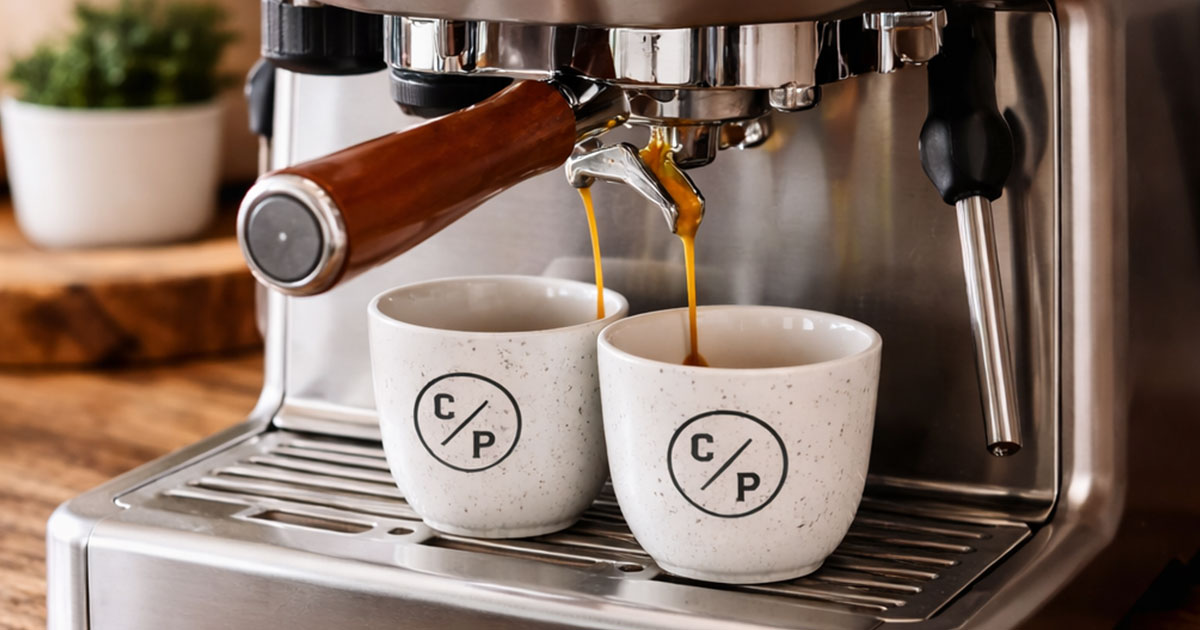
Espresso should rest before brewing because freshly roasted coffee is still releasing a lot of gas, and that gas makes extraction less stable. At Cutters Point, we treat 7 days off roast as the minimum rest for espresso, with the strongest window usually landing around day 7 through day 30.
This is the part most home espresso drinkers learn the hard way. They buy a fresh bag, get excited, throw it in the grinder the next morning, and then wonder why the shot sprays, races, or tastes weirdly bright and aggressive. The coffee is not bad. It is just not settled yet.
When espresso is too fresh, carbon dioxide is still leaving the coffee so aggressively that it interferes with how water moves through the puck. That can show up as channeling, extra crema that looks impressive but tastes harsh, or a shot that refuses to land in a calm, predictable range. You can chase the grinder for twenty minutes and still feel like the coffee is fighting you.
Once the coffee has had time to rest, everything usually gets easier. Flow smooths out. The shot becomes more repeatable. Sweetness comes forward. The cup stops tasting loud in the wrong way.
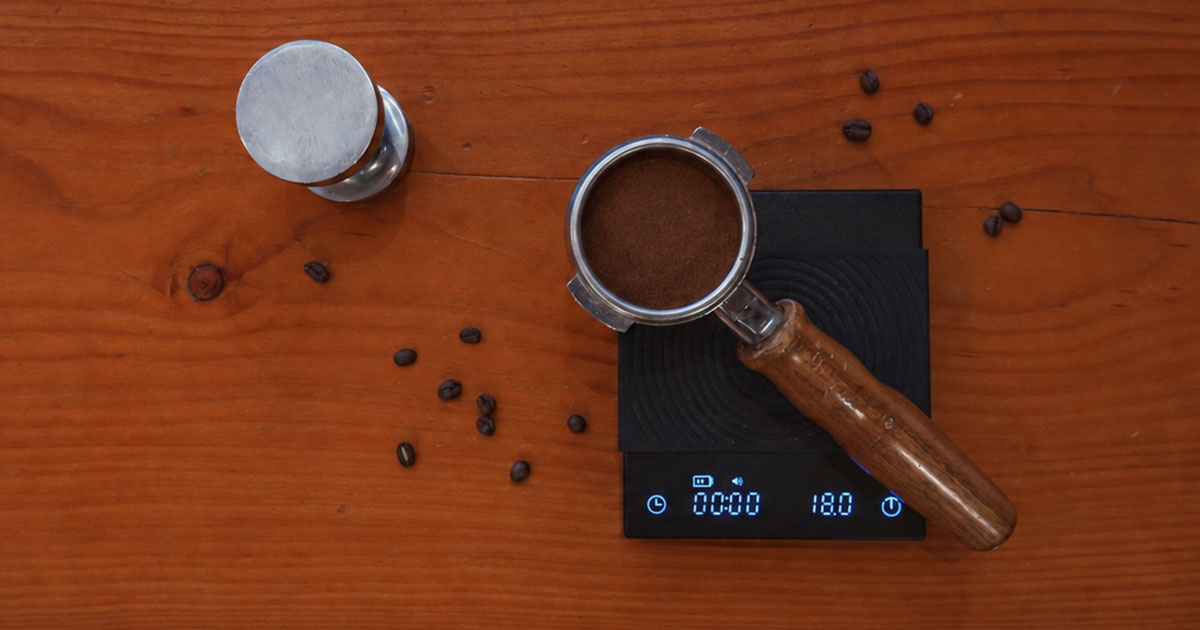
For baseline espresso, we still like to start with 18 grams in, 36 grams out, in 25 to 35 seconds, at 198 to 200°F. That recipe will not save a coffee that is too fresh, but it gives you a clean starting point once the coffee is in its usable window. If you want the full process, we walk through it in our five-shot guide to dialing in espresso.
This is also why roast date matters more than people think when they are buying espresso beans. If you want coffee that is easy to dial in and actually tastes like itself, "fresh" is not the goal. Rested enough to behave well is the goal.
What changes in coffee from day 1 to day 30 and beyond?
Coffee does not fall off a cliff. It moves through phases. The first week is gassy and unpredictable, days 7 through 30 are where most coffee tastes its best, and after that the flavor gets quieter rather than bad. Nothing about this timeline makes old coffee unsafe, it just changes what you get in the cup.
Here is roughly how it goes:
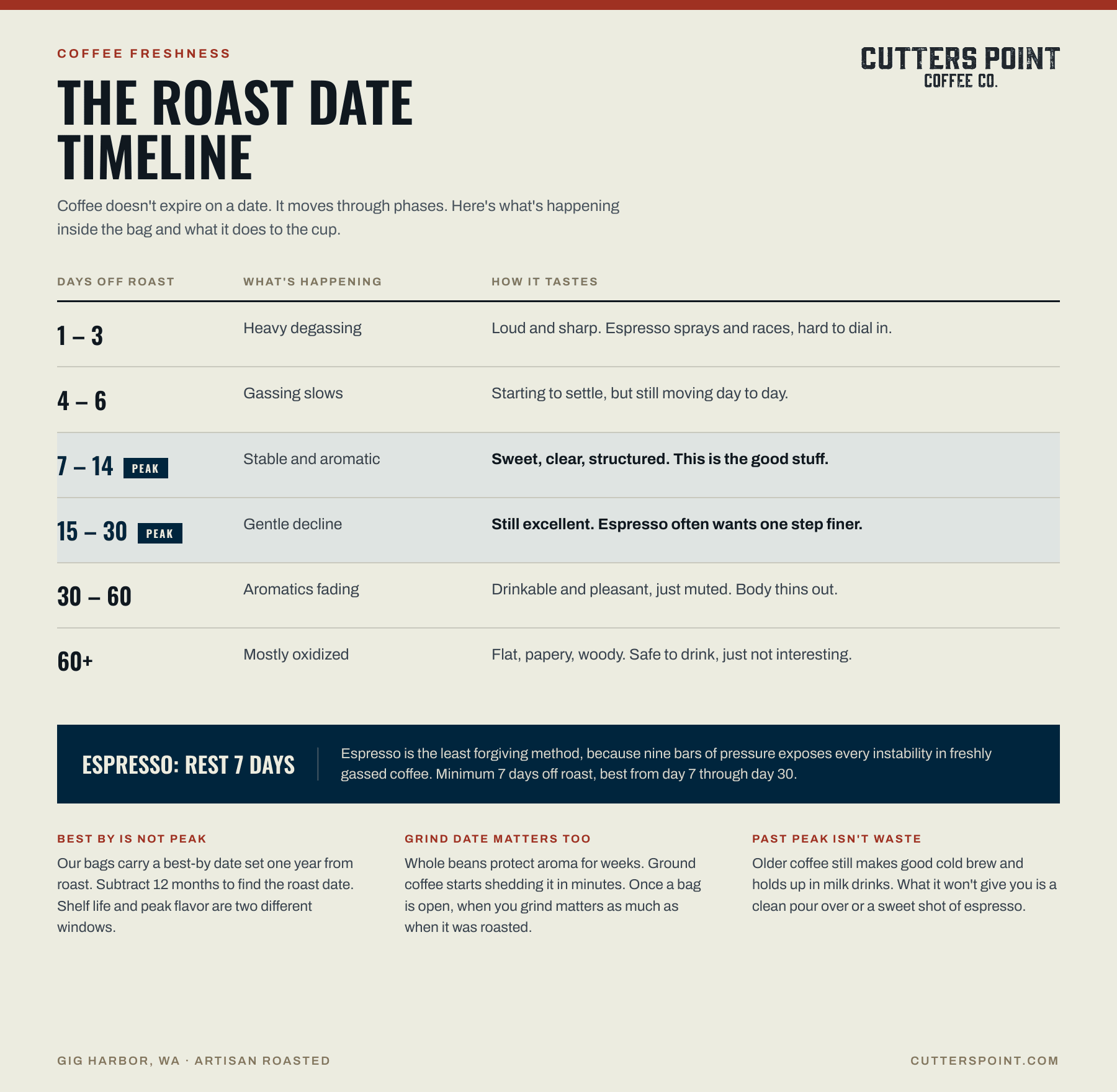
A few things worth knowing about that timeline.
The peak is wider than purists claim and narrower than brands imply. You will hear people insist coffee is only good from day 10 to day 14, which is nonsense for anyone who is not competing. You will also see bags sold with a one-year date and no roast date at all, which quietly suggests the coffee is equally good the whole time. Neither is honest. Two to four weeks is the real answer for most people.
Espresso ages faster than filter. Or more precisely, espresso reveals aging faster. Nine bars of pressure exposes every change in the coffee's structure, while a pour over is forgiving enough that you might not notice anything until week five. If you brew both from the same bag, the espresso will tell you the coffee is aging before the drip does.
The change is gradual, which is why people miss it. Nobody wakes up on day 31 and notices the coffee died. What actually happens is you slowly stop being excited about your morning cup, and you blame your technique, your water, your grinder. It's usually just a bag that's been open for six weeks.
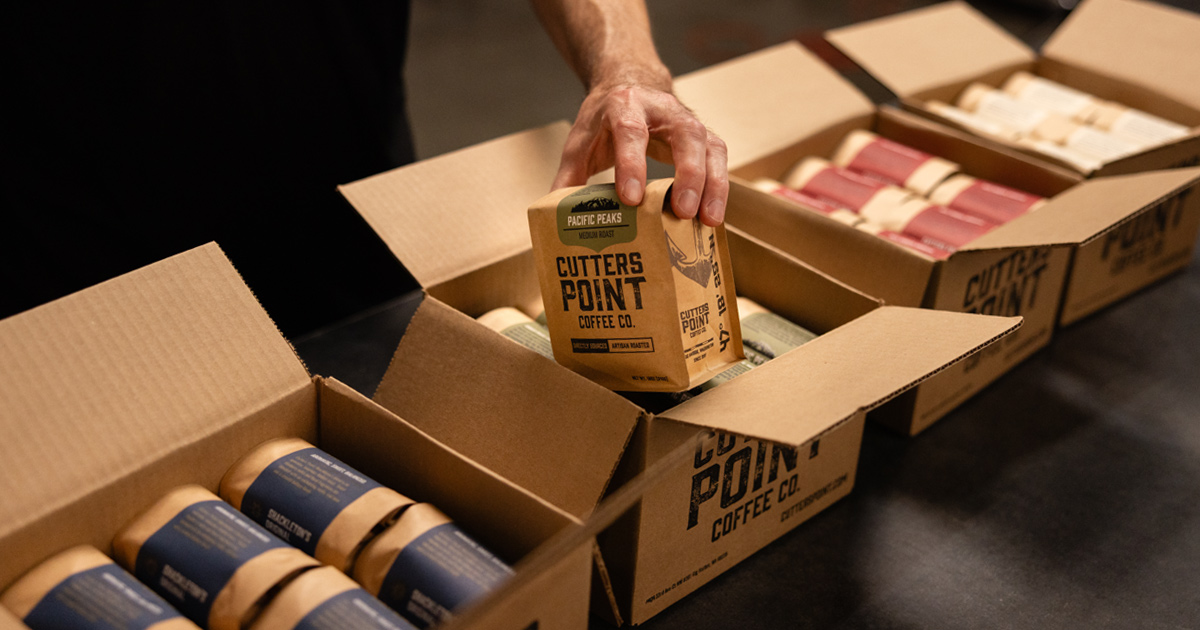
Our bags are printed with a best-by date one year from roast, so subtract twelve months to find the roast date. That gives you the shelf life, not the peak. Every bag in our online shop ships within days of roasting, which means you get to decide where in that timeline you drink it instead of inheriting someone's warehouse inventory.
How should you store coffee after opening the bag?
Store coffee in its original valve-sealed bag with the air pressed out, kept somewhere cool, dark, and dry. If you want a real upgrade, put that bag inside an airtight container. Skip the fridge entirely, and do not grind until the moment you brew. Storage will not make coffee younger, but bad storage will age it fast.
The four things that degrade coffee are oxygen, heat, light, and moisture, and your kitchen is full of all four.
Use the bag it came in. Our bags have a one-way valve for a reason: it lets carbon dioxide out without letting oxygen in. Roll the top down, press the air out, seal it. That single habit beats most of the storage gadgets people buy.
Then consider a container. An airtight canister adds a second barrier and a vacuum-sealed one adds a third. Worth it if you go through a bag slowly. Unnecessary if you finish one in a week.
Not the fridge. Refrigerators are humid and full of smells, and every time you pull the bag out, condensation forms on cold beans. That's moisture sitting on your coffee, which is the fastest way to stale it. A freezer works for long-term storage if the coffee is properly sealed and you never thaw and refreeze, but for a bag you're drinking this month, the counter in a dark cabinet wins.
Grind at the last possible second. Whole coffee has a protective shell. Ground coffee is all surface area and it starts shedding aromatics within minutes. A burr grinder and thirty seconds of your morning is the single biggest flavor upgrade available to most people, and it costs nothing after the grinder.
We wrote more about the habits that quietly ruin good coffee in 5 coffee mistakes you're probably making, and storage is the one people are most surprised by.
When is coffee too old to be worth brewing?
Coffee is too old when it stops tasting like anything. Practically speaking, that's somewhere past 60 days off roast for most bags, and it shows up as a flat, papery cup with no sweetness and no finish. It is still perfectly safe to drink. It just stopped being worth the water.
There's no date that decides this for you, so use your senses instead:
Smell the beans dry. Fresh coffee hits you when you open the bag. Old coffee smells faintly of cardboard, or of nothing at all. If you have to stick your nose in and hunt for aroma, the top end is gone.
Look for oil on a medium roast. A sheen on a dark roast is normal, that's roast oil pushed to the surface during roasting. But a medium roast that's gone shiny and tacky weeks after roasting is oxidizing, and those oils have gone rancid rather than fragrant.
Taste for the finish. This is the real test. Old coffee can still taste vaguely coffee-flavored on the front end, but it dies immediately. No sweetness developing, no aftertaste, nothing lingering. It just stops.
Now, before you throw it out: old coffee is not garbage, it's just been demoted. A bag past its prime makes perfectly decent cold brew, since a long steep in cold water pulls a smoother, more forgiving extraction that hides a lot of age. It's fine in milk drinks where sugar and dairy do the heavy lifting. It works in baking. What it won't do is give you a clean pour over or a sweet espresso, and no amount of grinder adjustment will fix that.
Here's the honest bit most roasters won't say: if you're regularly finding bags that have gone too far, the problem isn't storage, it's buying pattern. Two pounds sitting on the counter for two months is two pounds of coffee that spends most of its life past peak. Smaller bags more often beats bigger bags less often, every time. That's the whole logic behind how we ship coffee, and it's why we'd rather send you a 12 oz bag every couple weeks than a five pound sack you'll still be working through in November. We break that math down further in coffee subscriptions explained.
What are the most common questions about coffee freshness?
Can I brew coffee immediately after roasting?
You can, but it usually won't taste its best. Filter methods are forgiving enough to handle day-old coffee, while espresso will fight you with spraying shots and unstable extraction. Wait at least a few days for filter and a full seven for espresso.
Does whole bean coffee really stay fresher than ground?
Yes, and the difference is significant. Grinding multiplies the surface area exposed to oxygen, so aromatics that would last weeks in whole bean form escape in a matter of days. Buy whole bean and grind before each brew if you want the biggest improvement for the least money.
Is coffee still good after 30 days?
Absolutely, it's just quieter. You'll notice less aroma and a thinner body, but a 45-day-old bag stored well still makes a genuinely enjoyable cup. Past about 60 days it starts tasting flat enough that it's better used for cold brew or milk drinks.
How long should espresso rest after roast?
Seven days minimum, with the best window running from day 7 through day 30. Espresso is less forgiving than any other method because the pressure exposes every instability in freshly gassed coffee. Our espresso roasts ship fresh so you can rest them on your own schedule.
Can I freeze coffee to keep it fresh?
Freezing works for long-term storage if the coffee is sealed airtight and you never thaw and refreeze the same bag. Portion it out before freezing so you only pull what you need. For a bag you'll finish within a month, a dark cabinet is simpler and just as good.
Where do I find the roast date on a Cutters Point bag?
Our bags are printed with a best-by date set one year from the day the coffee was roasted. Subtract twelve months from that date and you have the roast date. Everything about our roasting is built around shipping coffee inside its best window.
keep reading
Get our latest brewing guide videos


and the stories behind the coffee
in your inbox

Get our latest brewing guide videos and the stories behind the coffee in your inbox

Get free coffee by earning points in the Cutters Point app. Download it here:


Website built by RUSTY GEORGE